Handmade Soaps: Crafting Joy with Pure Blendz
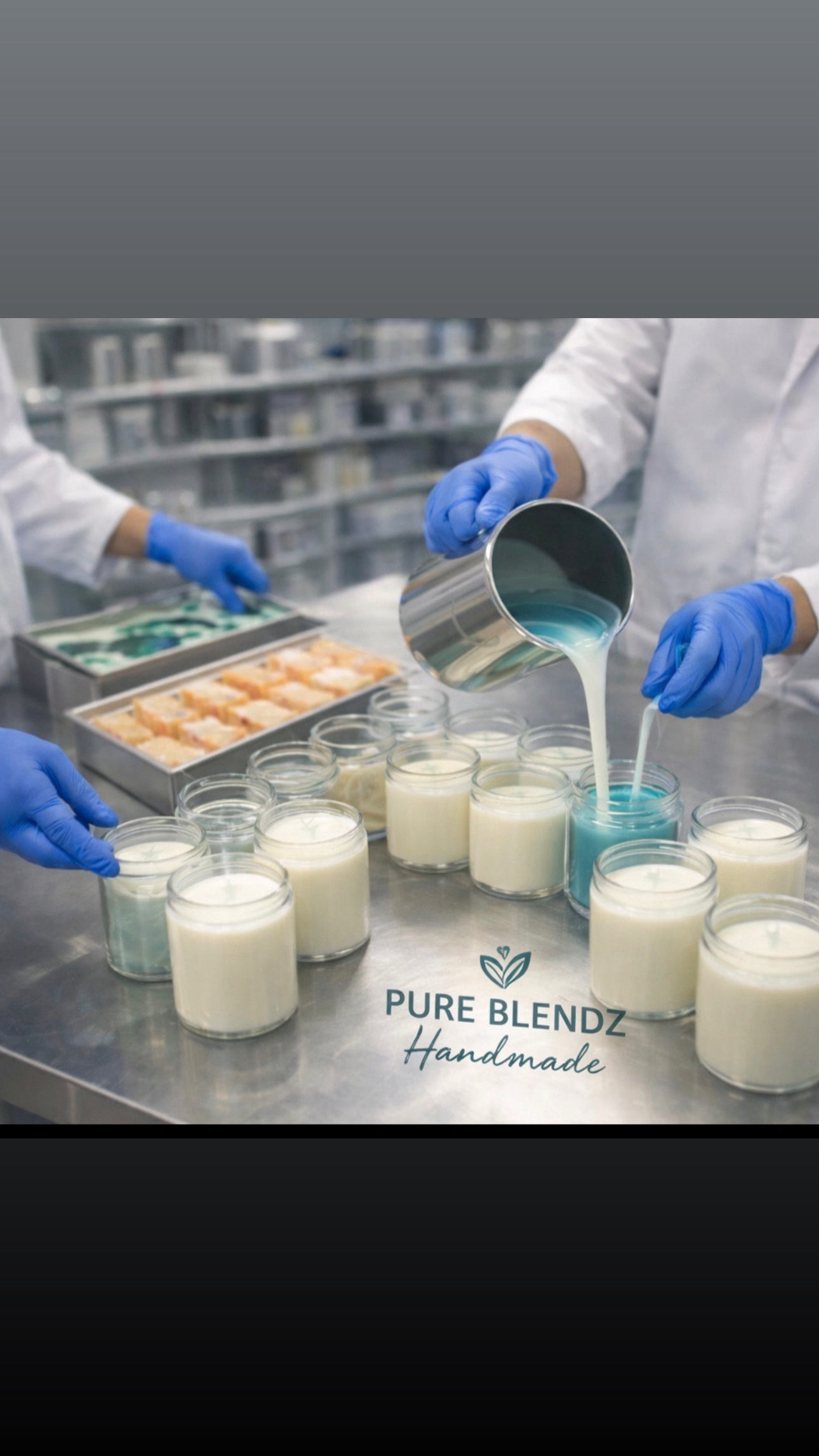
Handmade soaps have surged in popularity, transforming from a niche hobby into a beloved craft enjoyed by many. The allure of creating unique, fragrant bars of soap is not just about the end product; it’s about the joy of crafting something with your own hands. At Pure Blendz, we believe that every bar tells a story, and each ingredient plays a vital role in that narrative. In this post, we will explore the art of soap making, the benefits of using handmade soaps, and how you can get started on your own soap-making journey.

The Art of Soap Making
Soap making is both a science and an art. It involves a chemical reaction known as saponification, where fats or oils react with an alkali to produce soap. This process can be tailored to create a wide variety of textures, scents, and colors, allowing for endless creativity.
Types of Soap Making
There are several methods to create handmade soaps, each with its unique charm:
Cold Process: This method involves mixing oils and lye at room temperature. It allows for intricate designs and the incorporation of natural ingredients like herbs and essential oils. The soap must cure for 4-6 weeks before use, but the results are often stunning.
Hot Process: In this method, the soap mixture is heated, which speeds up the saponification process. This means you can use the soap sooner, usually within a few days. The texture tends to be more rustic, appealing to those who enjoy a more natural look.
Melt and Pour: Ideal for beginners, this method involves melting a pre-made soap base and adding your desired colors and fragrances. It’s a quick and easy way to create beautiful soaps without the need for handling lye.
Rebatching: This technique involves grating existing soap and melting it down to add new ingredients. It’s a great way to salvage failed batches or incorporate new scents and colors.
Essential Ingredients
The beauty of handmade soaps lies in the quality of the ingredients used. Here are some essential components:
Oils and Fats: Common choices include olive oil, coconut oil, and shea butter. Each oil contributes different properties to the soap, such as moisturizing benefits or lather quality.
Lye: Sodium hydroxide is essential for the saponification process. Safety precautions are crucial when handling lye, as it can be caustic.
Water: Distilled water is often used to dissolve the lye before mixing it with oils.
Additives: Natural colorants, essential oils, and exfoliants like oatmeal or coffee grounds can enhance the soap's appearance and benefits.
Benefits of Handmade Soaps
Choosing handmade soaps over commercial options comes with numerous advantages:
Natural Ingredients
Handmade soaps are often made with natural ingredients, free from synthetic additives and harsh chemicals. This makes them gentler on the skin and a better choice for those with sensitivities.
Customization
With handmade soaps, you have the freedom to customize scents, colors, and textures. Whether you prefer floral fragrances or earthy tones, the possibilities are endless.
Eco-Friendly
Many soap makers prioritize sustainability by using organic ingredients and eco-friendly packaging. This not only benefits your skin but also the planet.
Supporting Local Artisans
By purchasing handmade soaps, you support local artisans and small businesses. This fosters community and encourages the growth of sustainable practices.
Getting Started with Soap Making
If you’re inspired to dive into the world of soap making, here’s a simple guide to help you get started.
Gather Your Supplies
Before you begin, ensure you have all the necessary supplies:
Soap-making oils (e.g., olive oil, coconut oil)
Lye (sodium hydroxide)
Distilled water
A scale for accurate measurements
Mixing bowls and utensils
Soap molds
Safety gear (gloves, goggles)
Choose Your Recipe
Start with a basic recipe that suits your skill level. For beginners, a simple cold process recipe might be ideal. As you gain confidence, experiment with different oils and additives.
Safety First
Always prioritize safety when working with lye. Work in a well-ventilated area, wear gloves and goggles, and keep children and pets away from your workspace.
Follow the Process
Measure your ingredients accurately.
Mix the lye with water carefully, allowing it to cool.
Heat your oils until they reach the desired temperature.
Combine the lye solution with the oils, mixing until trace is achieved.
Add any desired fragrances or colorants.
Pour the mixture into molds and allow it to cure.
Cure and Enjoy
Once your soap is poured into molds, let it sit for 24-48 hours before unmolding. After that, allow it to cure for 4-6 weeks to ensure it hardens properly. Once cured, your handmade soaps are ready to use or gift!
Tips for Successful Soap Making
To ensure your soap-making experience is enjoyable and successful, consider these tips:
Keep a Journal: Document your recipes, measurements, and any changes you make. This will help you refine your process over time.
Experiment: Don’t be afraid to try new scents, colors, and additives. The beauty of handmade soap is in its uniqueness.
Join a Community: Engage with other soap makers through online forums or local workshops. Sharing experiences and tips can enhance your skills.
Be Patient: Soap making requires time and practice. Don’t be discouraged by initial failures; they are part of the learning process.
Conclusion
Handmade soaps are more than just a product; they are a labor of love that brings joy to both the maker and the user. At Pure Blendz, we celebrate the artistry and creativity involved in crafting these beautiful bars. Whether you’re looking to create your own soaps or simply enjoy the benefits of using handmade products, there’s a world of joy waiting for you in the realm of soap making. So gather your supplies, unleash your creativity, and start crafting your own unique blends today!


Comments